
Rethinking Privacy Through Indigenous Data Sovereignty
Why governance, jurisdiction and inherent rights matter.
Boozhoo News River Readers,
This week we’re sharing stories on how Indigenous data sovereignty challenges conventional privacy practices, resources housed at the new Indigenous AI Commons, and how researchers in Churchill aim to connect land and youth through technology!
This week’s stories include:
New project uses LIDAR technology to build VR experiences of archaeological sites, and making them accessible to youth.
A living index of resources on Indigenous AI, data sovereignty, and community-led technology.
Indigenous scholars, community members convene for CNAIR Research Symposium
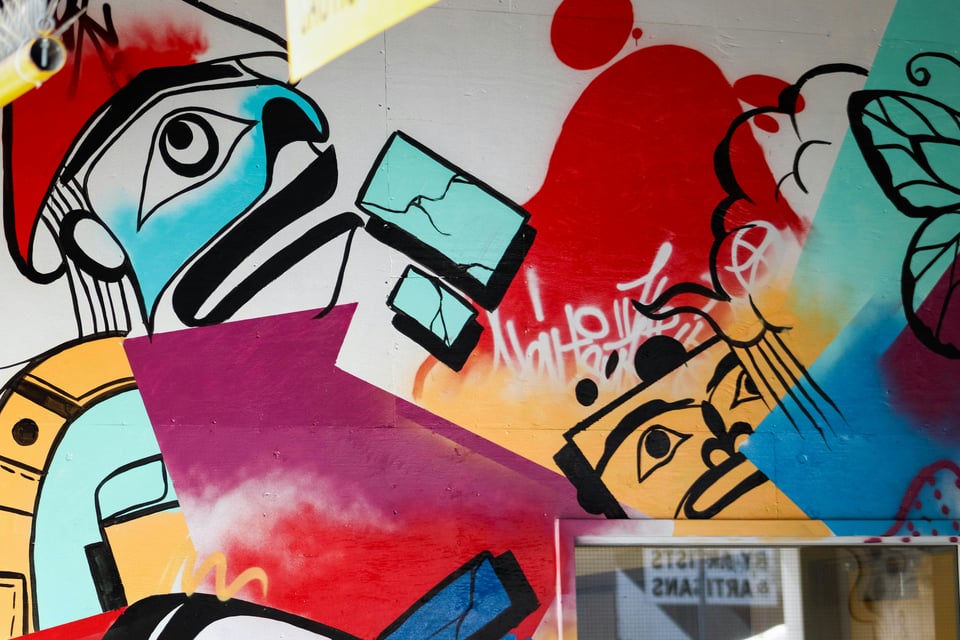
Rethinking Privacy Through Indigenous Data Sovereignty
The big picture: Join Animikii’s Impact Strategist Jeff Doctor, alongside Chelsea Nakogee and Savion Nakogee of Wabusk Data Solutions for this informative conversation at the IAPP Symposium 2026. This session will examine how IDS challenges conventional privacy and technology practices within Canadian legal and business contexts, including emerging technologies like AI, and how Indigenous-led approaches can shift privacy systems toward accountability, equity and long-term trust.
Why it matters: Indigenous data sovereignty is often misunderstood as a diversity or inclusion issue. It is not. IDS is about governance, jurisdiction and inherent rights; the authority of Indigenous Nations to decide how their data is collected, used, shared and protected. For privacy professionals, this distinction changes everything. Designing privacy programs on Indigenous land, and in relation with Indigenous peoples, requires more than adapting compliance models; it requires understanding sovereignty, power and law.
What you will learn:
Why IDS must be treated as a rights and governance issue and built into privacy and AI programs from the start.
How IDS principles challenge and reshape PIAs, consent models, security practices and privacy-by-design approaches.
What IDS reveals about power, collective rights and relational accountability, and why these lessons matter globally, not just in Indigenous contexts.
This conference qualifies for credits towards IAPP continuing professional education.
More about the symposium: Happening May 4-7, 2026 in Toronto, this in person event is a must-attend gathering for professionals in the fields of privacy, AI governance and cybersecurity law who want to learn about Canadian laws, regulations and perspectives.
Register here: IAPP Symposium 2026
Curated Articles:
Researchers in Churchill aiming to connect land and youth
A group of researchers is bringing Indigenous youth closer to their cultural heritage, with part of their project recreating archaeological sites in virtual reality. “The objective and rationale for (Connecting Land, Culture, Heritage and Wellness) is to connect First Nations and Inuit youth with their cultural heritage,” said Linda Larcombe, a research scientist in the Department of Internal Medicine at the University of Manitoba. Started around three years ago, Larcombe said the project aims to reconnect youth with their ancestors and pass on traditional knowledge and experience around health and wellness. Indigenous youth research associates reach archaeological sites on the Churchill West Peninsula by hiking and boating, engage in ceremony with ancestors, and embrace Indigenous knowledge, said Larcombe. The project also uses LIDAR technology to build virtual reality experiences of the archaeological sites, making them accessible to youth.
Indigenous scholars, community members convene for CNAIR Research Symposium
Indigenous scholars, leaders, students and community members shared research during the Center for Native American and Indigenous Research’s 8th Annual Research Symposium on Thursday and Friday at the Woman’s Club of Evanston. The event included speeches, panels and poster sessions. In her opening keynote speech, New York University Prof. Eve Tuck presented her research on the rematriation of land to Indigenous communities as well as youth land education programs. Tuck, who is Unangax̂ and an enrolled member of the Aleut Community of St. Paul Island, Alaska, discussed her study “Youth in Relation to Returned Land.” In this study, she investigated the impact of land in Oakland, California, being returned to the Ohlone people through the Sogorea Te’ Land Trust.
Data has always been used to count, classify, and control indigenous peoples. Census rolls. Blood quantum. Allotment records. The tools are new. The logic is not. This commons gathers what indigenous communities are building, what researchers are documenting, and what history demands we remember — so the next generation of decisions about AI is shaped by those most affected by it. Indigenous AI Commons is a living index of resources on AI, data sovereignty, and community-led technology. Built for indigenous communities. Useful to anyone who approaches this work with respect. Resources belong to their authors. This index belongs to the commons.
Social media ban could have greater impacts for Indigenous youth, but online safety remains key
It's been five months since measures were implemented to ban under 16s from accessing social media. For some young people —especially those outside of metro areas — the ban has made it more difficult to access online content relating to culture, education, and essential services, Indigenous voices say. For kids in remote and regional communities, social media has been an important platform, the organisation's chief executive Catherine Liddle said. "SNAICC supports the policy because we know many online environments can be unsafe for Aboriginal and Torres Strait Islander children and young people but removing access to social media cannot be the end of the conversation," Ms Liddle told National Indigenous Times. "For many of our young people, particularly in regional and remote communities, these platforms have been an important way to stay connected, share pride in culture, and express their voice and talents."
Indigenous Nurses Day celebrates their contributions to the nursing profession
Indigenous Nurses Day is April 10, which is the birthdate of Edith Anderson Monture, a Kanien'kehá:ka (Mohawk) woman and the first First Nations woman to become a registered nurse in Canada. The day acknowledges the significant contributions of First Nations, Métis and Inuit nurses to the nursing profession. "Nurses are the unsung heroes in health care, generally," said Holly Graham. "They've been kind of the backbone. They've been the labourers, they've been innovators, they've been the advocators, they're researchers and they want people to have the best health outcomes." Graham, who is Cree from Thunderchild First Nation in Saskatchewan, is a professor and Indigenous Research Chair in Nursing at the University of Saskatchewan in Saskatoon. Graham, who's been a registered nurse for 41 years, said nurses are the foundation of health care because they comprise the largest percentage of the sector's workforce.

Add a comment: